Before Moving to Menlo Park, You Should Know This
Menlo Park is often seen as a quiet, beautiful Silicon Valley dream — tree-lined streets, top schools, and proximity to some of the most powerful tech companies in the world. But what most people don’t talk about is what life actually feels like once you live here.
After walking countless buyers through this market, I’ve noticed a very clear pattern: only certain types of people truly thrive in Menlo Park. And surprisingly, it’s not always about how much money you make.
Let’s break it down honestly.
1. The True Cost of Living Isn’t Just the Price Tag
Menlo Park is now one of the most expensive real estate markets not just in California, but in the entire country. The average single-family home hovers around $3.9M, with prime neighborhoods like West Menlo, Sharon Heights, and Central Menlo often exceeding $5M, especially for larger lots or new construction.
Homes typically sell within 7–12 days, often with multiple offers and above asking. For many buyers, especially first-time buyers, this creates a hard reality: saving a traditional 20% down payment can take 10+ years, even for high earners.
Renting isn’t much easier. Average rent sits just under $5,000 per month, with family-sized homes easily exceeding $7,000. Even qualifying for a one-bedroom apartment requires an income near $178,000.
2. Social and Economic Divides You Can Feel Daily
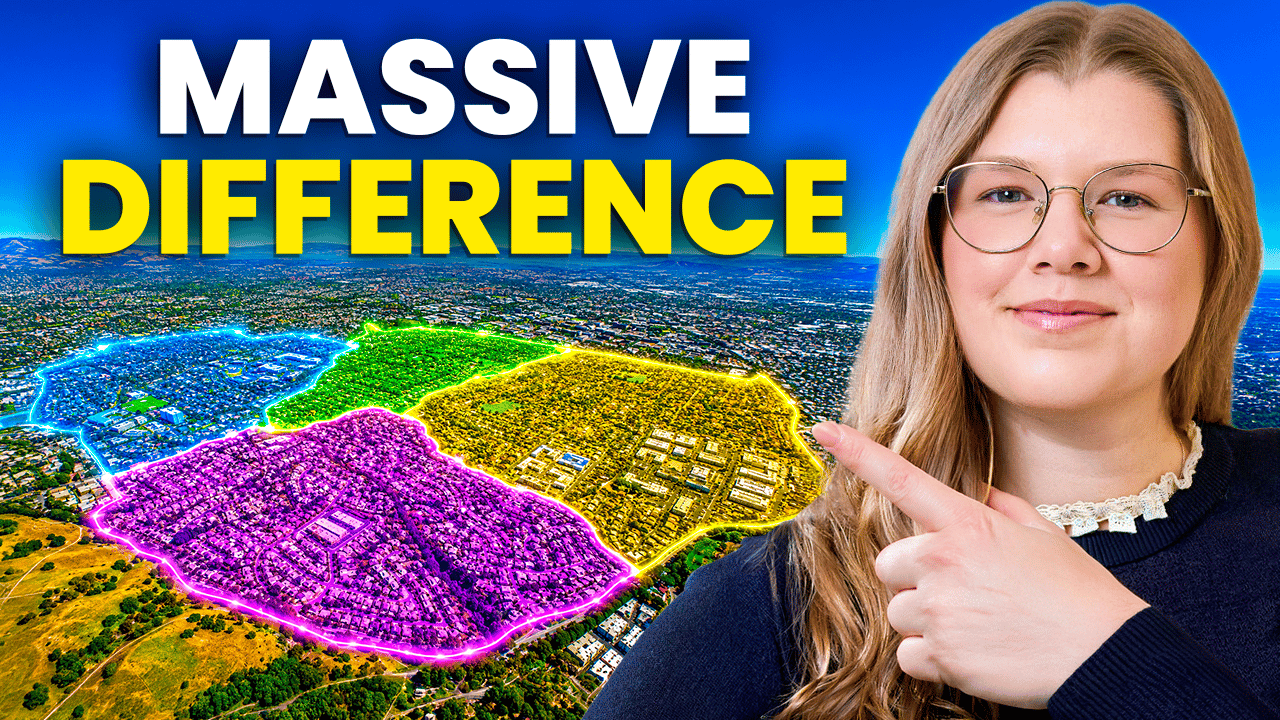
One of the most overlooked realities of Menlo Park is its extreme inequality. South of Highway 101, neighborhoods like Allied Arts and West Menlo are home to venture capitalists, tech executives, and generational wealth. Crime is minimal, pollution is lower, and private school acceptance rates are high.
North of the highway, in Belle Haven, the story is very different. Median household income is dramatically lower, housing instability is more common, and families often spend over 50% of their income on housing. These differences affect schools, health outcomes, and daily life in ways most buyers don’t realize until they’re already here.
3. The Tech Job Paradox
Yes — Menlo Park attracts some of the highest salaries in tech. New grads can earn close to $200K, and senior engineers often exceed $400K. But those numbers come with hidden trade-offs: intense competition, long hours, on-call rotations, and job volatility tied to stock performance.
Many high earners can rent comfortably here but still cannot buy without major financial strain. That’s why many professionals earning $177K–$280K choose nearby cities like Redwood City or Mountain View to balance lifestyle and affordability.
4. The Daily Urban Grind No One Warns You About
Traffic is a daily factor in Menlo Park. Peak-hour congestion around Highway 101, Oak Grove, and Willow Road can double commute times. School drop-off alone can take 30+ minutes for just a couple of miles.
Public transit helps only if your destination aligns perfectly. Most families still need multiple cars, and downtown parking is becoming more limited as development accelerates.
5. Lifestyle Reality: Peaceful, Not Lively
Menlo Park is incredibly safe, calm, and family-focused — but nightlife is minimal. Social life centers around schools, private clubs, and family activities. Date nights often mean driving to other cities, and late-night coffee options are scarce.
If you’re looking for energy, spontaneity, and nightlife, this may feel limiting. If you value quiet, routine, and outdoor access, it can be exactly right.
6. Safety, Air Quality, and Ongoing Development
Overall, Menlo Park is safer than most California cities, but safety and air quality vary significantly by neighborhood. Areas near major commute corridors experience higher pollution, leading many families to invest in air filtration systems.
Development is accelerating, with large projects adding density, traffic, and strain on infrastructure — whether residents want it or not.
Final Thought: Who Menlo Park Truly Works For
In my experience, Menlo Park works best for two groups:
Those with generational wealth who don’t rely solely on local income
Tech or venture-backed households willing to delay homeownership while building equity
For everyone else, understanding these realities before you move can save years of financial and lifestyle stress.
If you’d like to talk through what this means for your situation, even a short conversation can bring clarity. The right neighborhood choice can save you money, commute time, and frustration — and that’s exactly what I help my clients do every day.