Explore Silicon Valley real estate videos covering neighborhoods, market updates, and what it’s really like to live here. Local insights to help you buy or sell with confidence.
The $2.6 Billion Redevelopment Transforming San Francisco's Airport
SFO is spending $2.6 billion to rebuild half of Terminal 3 West without ever closing the airport, and one quiet design choice reveals exactly what SFO expects the peninsula to look like 20 years from now.
In this video, I break down what the money actually pays for, the earthquake work hidden inside the walls, how they're rebuilding a busy terminal while United keeps flying, and the single decision that signals where this whole region is heading.
If you're moving to the peninsula, the airport shapes your week even when you forget it exists. Weighing a move and want to talk through what fits your situation? Reach out using my contact information in the description below.
The Real Process of Buying a Home in The San Francisco Bay Area (Step by Step)
Buying a home in Silicon Valley isn't like buying anywhere else. Homes in Santa Clara and San Mateo County go under contract in 7 to 14 days, often closing well above asking, and the winning offers are frequently the ones waiving inspection, appraisal, and loan protections.
In this step-by-step guide, I walk you through the entire process, from getting truly pre-approved for a jumbo loan to choosing the right agent under the new buyer representation rules, to reading your disclosure packet line by line, to the federal timing rule that quietly controls how fast you're allowed to close. You'll also learn why the "cheap" fixer often costs more than turnkey, and how to know exactly which protections you can afford to trade away.
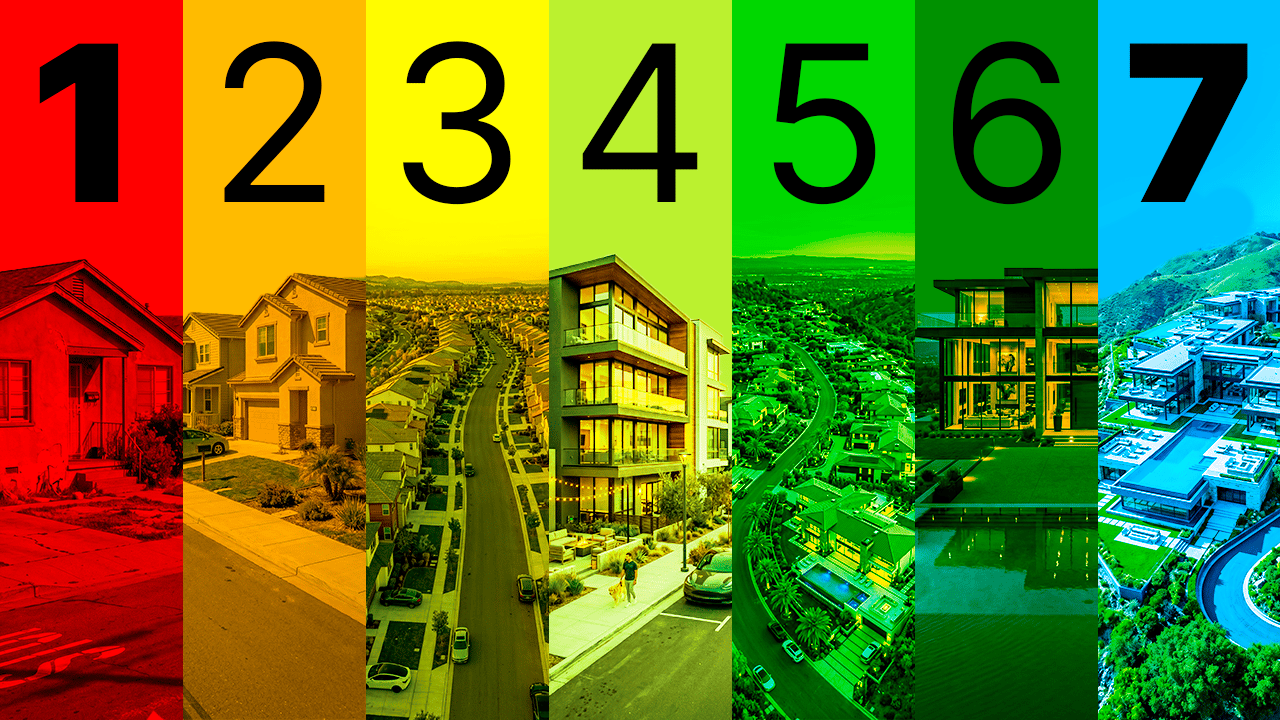
The Seven Levels of Wealth in Silicon Valley
In the same region where nine households control $110 billion in liquid wealth, nearly 30% of families struggle to cover their basic needs. It’s not one uniform market; it’s seven completely different financial realities layered onto the same streets.
Most people have no idea which level they’re actually in, and that misunderstanding can cost buyers, sellers, and investors alike. In this video, I’ll break down each level, and by the time we get to Level 7, you’ll see exactly why these households drive the spread of poverty—and what it means for anyone navigating this market. But first, let me introduce myself.
WTF is Happening with Silicon Valley Market
You’ve heard the stories: Silicon Valley is expensive, people are moving out, and AI is changing everything. But here’s the part most people aren’t talking about. The Valley is split in two. One side is booming with AI wealth and stock market gains, while the other is feeling the squeeze from rising rates, HOA fees, and a housing shortage decades in the making.
Same streets, same companies, completely different realities, and which side you’re actually on can completely change your next move. In this video, I’m breaking down the split so you’ll know exactly where you stand and how it impacts your buying, selling, or investing decisions. By the end, you’ll be in the right conversation.
Don't Sell Your Home in Silicon Valley Before Watching This! (or Lose $400k)
Here’s the harsh truth nobody tells you about selling a home in Silicon Valley: the biggest threat to your equity isn’t a market crash or a difficult buyer, it’s the small, overlooked details that add up in the wrong order.
I’ve seen retirees lose $300,000 to $500,000, the equity they spent decades building, simply because they didn’t understand what was actually being offered until it was too late.
This sale is different from anything you’ve done before, and treating it like a “regular” transaction can cost you six-figure mistakes.
In this video, I’m breaking down why the order of everything, from timing to strategy, matters far more than the sale price itself. By the end, you’ll see why mastering the sequence of your sale can protect your hard-earned equity and keep your closing check where it belongs.
Most Buyers Walk Right Past The Best Part of This $4M Burlingame Home
At $4 million, most buyers make the same mistake: they head straight for the front door. But here’s the thing: the most valuable feature of 216 Bloomfield isn’t even inside the house. It’s just a short walk away, and it completely changes how you see this property.
This home has it all: 5 bedrooms, 4 bathrooms, 3,400 square feet, and it's listed at $4,198,000. But the real standout is something you’ll only fully appreciate once we reach the upper floor. Stick around to see exactly why this one detail makes this home unlike anything else at this price point in Burlingame.
Silicon Valley Will Never Be The Same And Here's Why
Silicon Valley has been following a familiar rhythm for decades: tech companies expand, offices fill up, prices rise, and the cycle continues. But things are shifting fast, and some of the biggest changes are happening right now. A San Mateo office tower is being converted into 156 apartments, Sunnyvale has rezoned 1,300 acres for 20,000 homes, and developers are eyeing three prime downtown parking lots in Menlo Park. These six changes aren't just rumors; they’re happening, and they’re shaking up the local market in ways that buyers and sellers need to understand. In this video, we break down each of these verified shifts and what they mean for the future of Silicon Valley. Whether you're buying, selling, or just watching the market unfold, this is your inside look at the shifts happening now, and why they matter more than ever. Don't miss out on this important breakdown – hit play and get the details.
Why People Are Leaving Los Angeles, New York, and Seattle to come to Silicon Valley
Most people are focused on the migration to cheaper cities, but there’s a quieter trend happening in the background that flips that narrative completely. Some buyers are choosing to move into even more expensive markets, and once you understand why, it changes how you look at demand, pricing, and long-term value. In this video, I’m breaking down what’s actually pushing people out of major cities and what’s pulling them into even higher cost ones. We’ll start with Los Angeles and work through the real drivers behind these decisions so you can see how this trend connects directly to housing markets across the country. Watch through to understand where the opportunities are forming next.
Choosing between a condo, townhome, or single family home
Are you choosing the right property type in Silicon Valley, or quietly leaving hundreds of thousands on the table? In this video, I break down the real cost difference between condos, townhomes, and single-family homes in Silicon Valley, not just the purchase price, but the monthly gap that compounds into life-changing wealth decisions over 5 to 10 years.
RUN AWAY from these kinds of homes!
That surprise bill didn’t come from nowhere; it came from details most buyers never think to look for until it’s too late. In a market as competitive as Silicon Valley, it’s easy to focus on winning the home and overlook the risks that come with it. In this video, I’m breaking down the seven biggest financial traps that can catch buyers off guard, from hidden ownership costs to the fine print that rarely gets explained up front. If you’re planning to buy, watch this all the way through so you can protect your savings and make a decision you won’t regret.
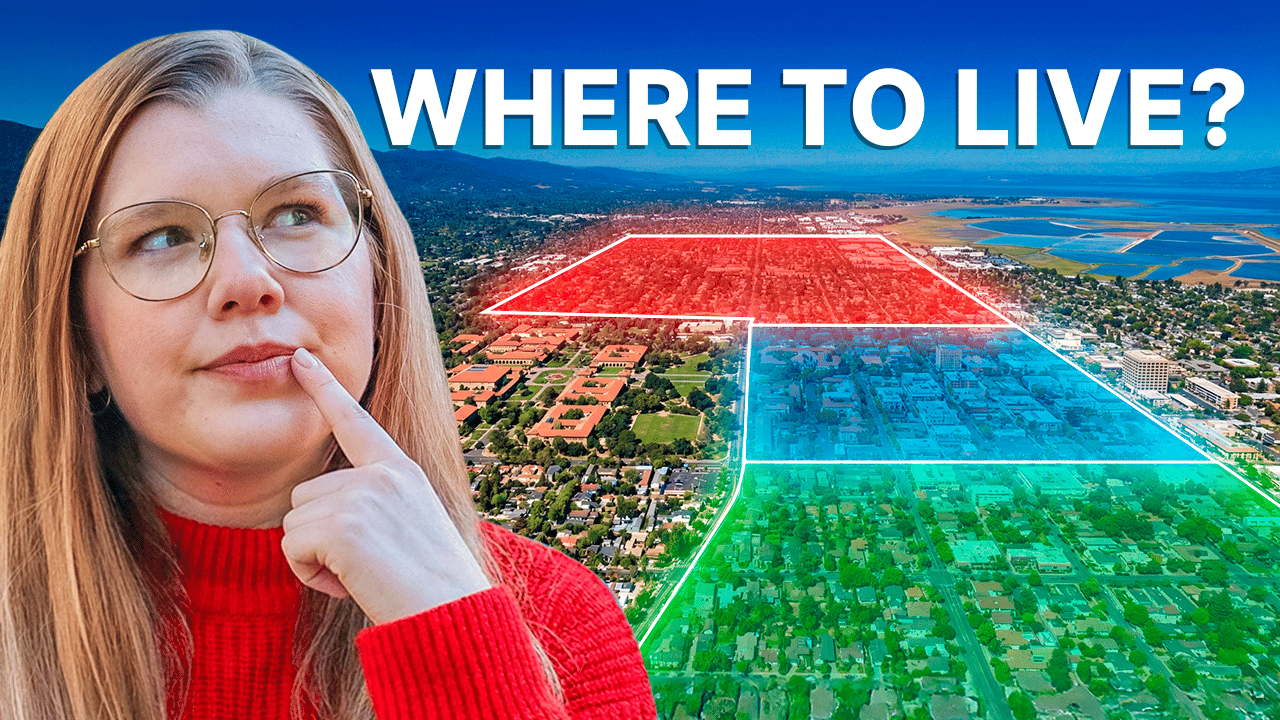
The Secrets of Palo Alto Real Estate
Palo Alto pricing can feel completely disconnected from reality until you understand what’s really driving it. The difference between neighborhoods isn’t just about location; it’s about decades of planning decisions, historic preservation, and zoning rules that quietly shape what can and cannot be built. In this video, I’m breaking down how to actually interpret pricing across the city so you can stop second-guessing listings and start seeing the logic behind them. If you’re buying or selling here, this context changes everything about how you approach the market. Watch to the end so you can read Palo Alto like an insider and make smarter decisions with your money.
10 Reasons Why Your Home is LOSING VALUE
Two homes, side by side, same size, same neighborhood, but one sells for much more. The seller of the cheaper one is left scratching their head, wondering what went wrong. Here’s the thing: it’s not just about square footage or location. In this video, I’m revealing the 10 factors that buyers are actually paying attention to, and it’s not always what most agents will tell you. From small details to bigger decisions, I’m going to show you how simple changes can make a huge difference in your sale price. And yes, please, get rid of that carpet! You’ll see why. Stay tuned to find out the game-changers!
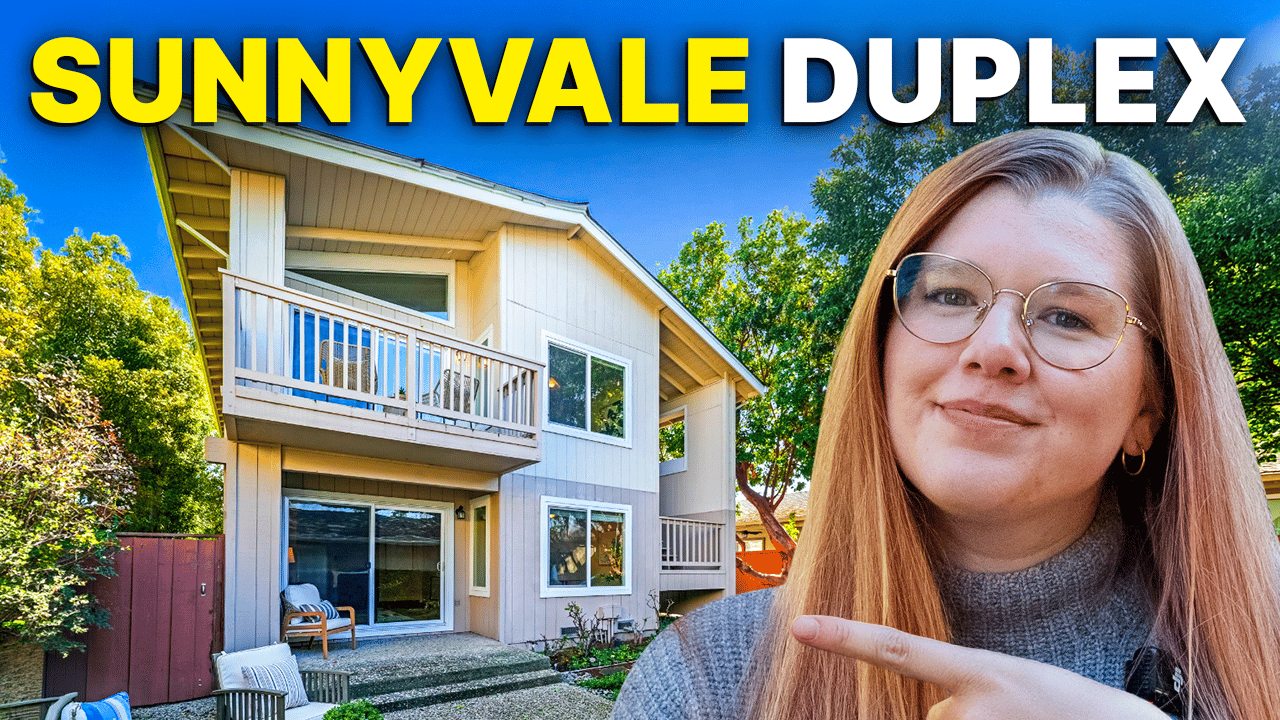
Sunnyvale Duplex Home Tour - Near Downtown Sunnyvale
This Sunnyvale opportunity offers much more than additional doors and rental potential. The real advantage is how it fits into everyday life: a location that makes commutes easier, keeps you connected to the energy of the city, and gives you options that go far beyond a typical investment purchase. Properties like this stand out because they can support both lifestyle and long-term strategy at the same time. In this video, I am breaking down what makes this home worth a closer look, who it makes the most sense for, and why the right setup in the right part of town can make ownership feel much easier. Watch to the end to see what makes this one different, then reach out if you want the full details or a private tour.
Pros & Cons About Zuckerberg's Florida Move
Mark Zuckerberg’s relocation to Florida is being framed as a simple financial decision, but the deeper implications go far beyond money. When a tech leader shifts his base of power, it can reshape influence, access, culture, and even the future direction of his companies. In this video, I break down the strategic upside behind the move, the hidden trade-offs most people are ignoring, and what this signals about the next phase of Big Tech leadership. If you care about power, business strategy, and where the tech world is heading next, this is a conversation you cannot afford to miss. Watch until the end for my full analysis and tell me in the comments whether you think this move is visionary or reckless. Subscribe for more breakdowns like this.
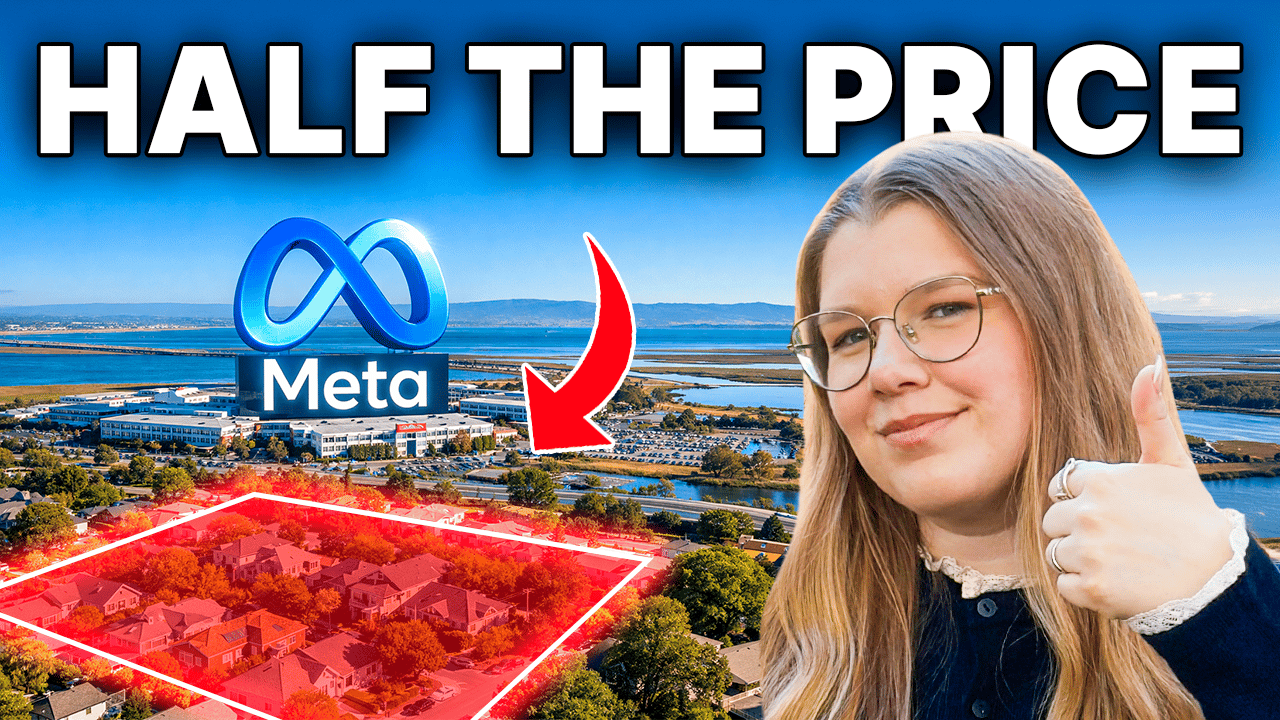
Just 1 Mile From Meta: The Most Affordable Neighborhood in Silicon Valley
If you work at Meta, chances are you’re looking at $3 million in Menlo Park just to keep that 12-minute commute. But what if you could be one mile away, make the same drive, and spend closer to $1.5 million? Same proximity. Way less competition. That place is Friendly Acres, and most tech buyers pass it every single day without realizing what’s sitting right there. While everyone fights over Menlo Park listings, the buyers who understand what Stanford’s expansion means for this pocket are quietly making moves. In this video, I’ll break down why Friendly Acres could be the smartest proximity play in Silicon Valley right now and whether it makes sense for you to jump in before the rest of the market catches on.
$80 Billion Bay Area Development Boom: 8 Projects Changing Silicon Valley Forever
Silicon Valley is undergoing an $80B transformation. Discover the 8 mega projects — including BART expansion, Diridon Station, Willow Village, and Hillsdale redevelopment — that will reshape Bay Area real estate, housing supply, and long-term property values.
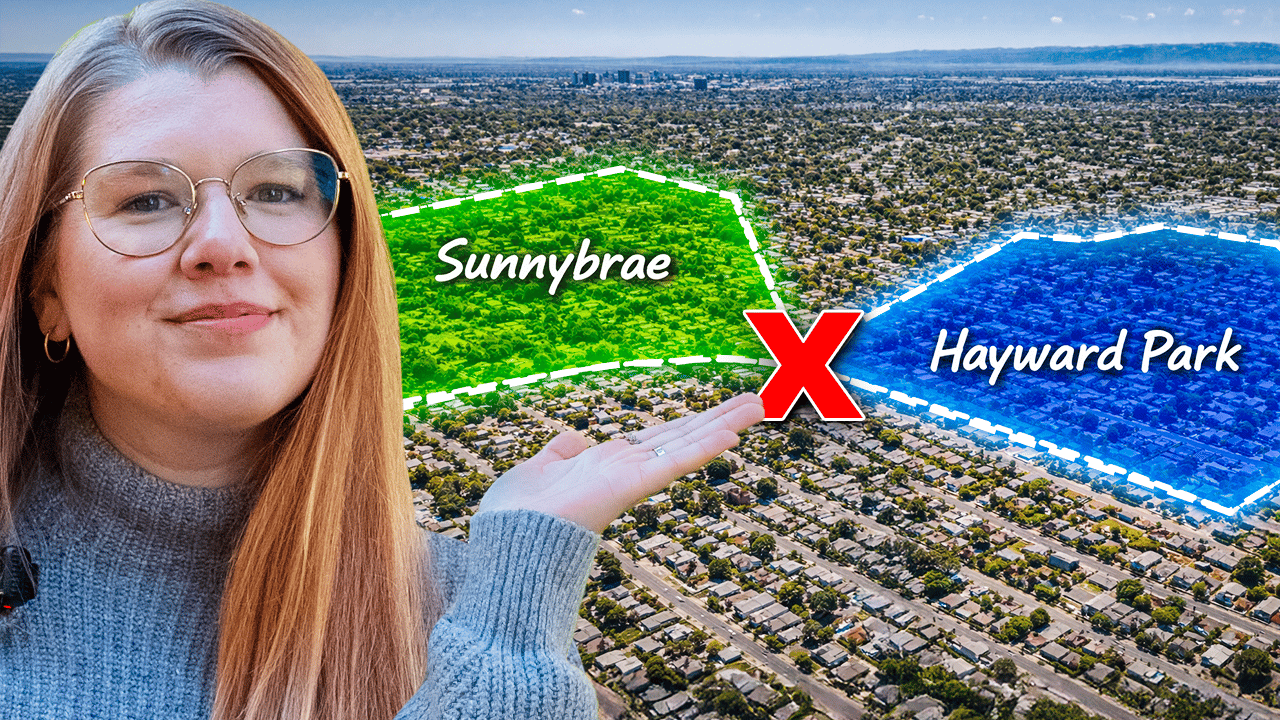
Sunnybrae Meets Hayward Park: A Flexible San Mateo Home with ADU
Explore a rare Sunnybrae San Mateo home located steps from Hayward Park, offering walkability, Central Park access, Caltrain convenience, and a fully finished ADU for flexible living.
I Ranked ALL Redwood City, CA Neighborhoods (Honest Review!)
Redwood City doesn’t behave like one market; it behaves like a dozen. You can cross a couple of miles, keep the same zip code, and still end up in a totally different reality for appreciation, buyer competition, and long-term upside. That’s why so many buyers get blindsided: they assume the city moves together, then wonder why their “great deal” didn’t perform the way they expected. In this video, I’m ranking 17 Redwood City neighborhoods and showing you what actually separates the winners from the places that look similar on a map. You’ll see why prices can jump from around $1M to well over $3M, depending on the street, even with the same schools and city services, and how that choice can translate into a massive gap in equity over the next five years. Watch through to the end, then comment your budget and what you care about most, walkability, commute, lot size, or future upside, and I’ll point you to the neighborhoods that make the most sense right now.
3 Best Places to Live in Silicon Valley
I’ve seen buyers spend millions on a house, only to regret it a few months later, not because the house was wrong, but because the neighborhood wasn’t right for who they truly are. Menlo Park, Palo Alto, and Los Altos Hills might all seem similar on paper, median prices ranging from $2.4 to $5.6 million, top schools, and tech money everywhere, but trust me, each one attracts a completely different type of person. If you pick the wrong community, you’ll feel the difference every single day. In today’s video, I’m sharing the framework I use with my clients to help them figure out which of these neighborhoods actually fits their life before they invest millions in the wrong place. By the end, you’ll know exactly which community aligns with your priorities and, more importantly, why it’s the right choice for you. Watch through to the end so you can make a smarter, more confident decision!
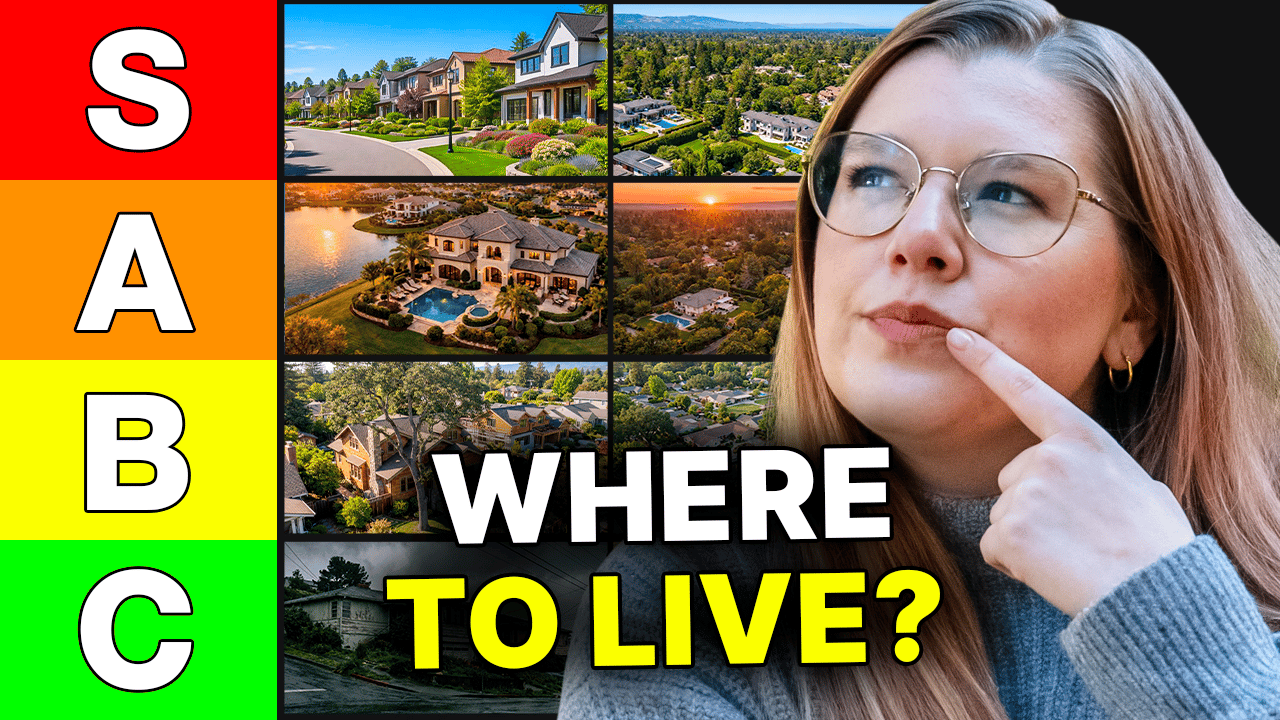
Atherton, CA Neighborhoods Ranked (2026)
Here’s what most people don’t realize about Atherton: your price tag can shift dramatically just by crossing the street. You can have two homes that look nearly identical, same size, same lot, just one street apart, and still see a $2 million difference in value. The reason often isn’t something you can spot during a drive-by. It comes down to invisible lines like school boundaries that quietly influence demand and pricing. In today’s video, I’m breaking down Atherton’s different tiers so you can understand what you’re actually paying for and how to choose the right area without overpaying by millions. Watch through to the end for a clear map of what matters most, and if you’re planning a move or want help figuring out where your budget fits best, subscribe and leave a comment with your questions.
Why Silicon Valley's ULTRA-WEALTHY Live In Atherton, CA
If you’re a tech executive, investor, or founder trying to understand where real wealth concentrates in Silicon Valley, there’s one zip code that keeps telling the story: Atherton. With a yearly median price hovering around $9M and a sharp jump in recent activity, this market isn’t just expensive by chance. It’s designed to remain scarce, insulated, and relentlessly exclusive, and that’s exactly why the ultra-wealthy continue to choose it over anywhere else on the Peninsula. In this video, I’m breaking down how that structure works, what makes Atherton so uniquely protected, and how to read these numbers without letting the price tags distort your judgment. If you want a clear lens on what’s driving this market and whether it actually aligns with your goals, watch through to the end, then subscribe and leave a comment with what you’re building or investing in, and I’ll share what to pay attention to next.
Before Moving to Menlo Park, You Should Know This..
Today, we’re diving into something that no one’s really talking about in Menlo Park. Homes in prime neighborhoods are selling fast, within one to two weeks, and going for an average of $3.9 million or more. But here’s the thing: that’s only part of the picture. After walking through multiple similar cases in this market, I’ve discovered a pattern that reveals only certain types of buyers actually thrive here. What catches people off guard isn’t the price tag; it’s realizing which group they belong to. In the next few minutes, I’ll walk you through what life is really like once you make the move to Menlo Park. You’ll get a clear view of the true costs, the neighborhood dynamics, and most importantly, whether you’re one of the lucky few who can settle in, or if you might get priced out over time. Let’s break it down so you can make an informed decision.
The Micro Neighborhoods of Menlo Park (And Why They Differ)
If you’re looking at Menlo Park and thinking it’s one big, uniform market, think again, choosing the right neighborhood here can make all the difference. Your daily commute could change by 40 minutes, your school options could shift entirely, and your budget might need to stretch an extra million or shrink to fit. In West Menlo Park, homes average around $3.9 million, with new construction pushing those prices even higher. Meanwhile, in Belle Haven, you’ll find homes closer to $1.2 million. The catch? West Menlo puts you 20 minutes from Meta, while Belle Haven is just 5. In today’s video, I’m breaking down how to choose the pocket of Menlo Park that truly fits your lifestyle, so you can make the smartest move for your life and budget. Watch through to the end, and let me know in the comments if you want help narrowing down the perfect neighborhood for you!
Work With Us
Dedicated to you. It has always been our mission to bring our clients home. Contact us today!